admin


Stile libero desc

Stile Libero

Installazione site-specific.
Soffitto dipinto W350xH700 cm; tronchi; disegni con scaglie di pesce, acrilico rosso, grafite su carta W20 x H20 x D4 cm ognuno.
Catalogo ripegabile designed Lara D’Onofrio; testo di Simone Ciglia.
Catalogo handmade pop up per il finissage 64 copie; testo Francesca Referza; performance musicale Alessando Gabini e Andrea Gabriele.
Cesare Manzo Gallery, Rome, 2010.

L’espressione stile libero nella lingua italiana può avere una doppia accezione.
Può indicare un modo, estremamente personale e svincolato, di essere ed esternarsi e si riferisce a forma, ordine, tendenza, tecnica, linguaggio, comportamento, natura, indole, usanza, uso, costume, e così via.
O nella seconda accezione, riferirsi a una tecnica natatoria: lo stile libero.
Questo lavoro si concentra, dunque, sul senso di libera interpretazione dello spazio – e di media differenti – e, nello stesso tempo, sul mio universo formale governato da una metafora visuale liquida.
Doppio è anche il punto di vista. Ho volutamente creato una tensione tra sopra e sotto.
Nell’installazione il punto di vista umano, solitamente collocato sull’asse frontale in relazione alla postura eretta, è teso in due direzioni divergenti, verso l’alto e verso il basso.
Pavimento e soffitto diventano le due superfici ospitanti il lavoro.
Il soffitto dipinto enfatizza la sensazione di trovarsi sott’acqua.
La realizzazione dell’affresco è stata la naturale evoluzione del mio lavoro e mi ha permesso di cambiarne le prospettive pur continuando a concentrarmi nella ricerca sulla naturale distorsione del reale da parte dell’acqua, sulla tradizione pittorica e sul colore come segno, significato e superficie.
Sul pavimento ho disposto, invece, una serie di disegni di un mio personale bestiario, realizzati con scaglie di pesce, matita e acrilico rosso su semplici supporti di carta di forma quadrata.
I disegni sembrano fluttuare nelle restanti due stanze della galleria grazie alle differenti inclinazioni dei tagli dei tronchi d’albero, di altezze diverse, su cui sono adagiati.
Questa moltitudine di tronchi, disseminati nello spazio, sembra a sua volta galleggiare sul pavimento, come in un ambiente chiuso in cui siano visibili i segni di un allagamento.
Lo spazio espositivo è messo in discussione dilatando lo sguardo e immergendosi in una zona di intersezione tra reale e immaginario.

Stile Libero

Site-specific installation
Ceiling painting W350xH700 cm; logs; drawings with fish scales, red acrylic, graphite on paper W20 x H20 x D4 cm each
Foldable exhibition catalougue designed by Lara D’Onofrio; text by Simone Ciglia.
Handmade pop up books for the finissage, limitated edition 64 copies; text by Francesca Referza; music performance Alessandro Gabini e Andrea Gabriele
Cesare Manzo Gallery, Rome, 2010.

In Italian stile libero has two meanings.
It can refer to a highly personal and idiosyncratic way to behave and express oneself and is connected to form, order, tendency, technique, language, character, nature, temperament, tradition, usage, custom, and so on.
It can also refer to a swimming technique: crawl.
Accordingly, this work focuses on the free interpretation of space – and media – and at the same time on my aesthetic form which is governed by a liquid visual metaphor.
The point of view, on its part, has also a double perspective.
I have consciously created a tension between what is above and what lies below.
In the installation the human point of view, usually located on the frontal axis in relation to the upright position is stretched in two divergent positions, upwards and downwards.
The floor and the ceiling thus both become the surfaces on which the work rests.
The ceiling painted blue conveys the feeling of being under water.
The painting of the fresco is the expression of the natural evolution of my work and has allowed me to change its perspectives while retaining the focus of my research on the natural distortion of reality produced by water, on pictorial tradition and on color as sign, as meaning and as surface.
On the floor, I laid out a series of drawings of my own personal bestiary, made with fish scales, pencil and red acrylic, on simple square sheets of paper.
The drawings seem to float into the other rooms of the gallery thanks to the different angles at which the logs have been cut, at different heights.
In turn, this multitude of scattered logs, gives the impression as if they were floating on the floor, as in a closed environment that has been flooded.
The spatial confine of the exhibit is questioned by the expansion of the gaze and by immersing onself in an intermediate zone between the real and the imaginary.


testo_foto

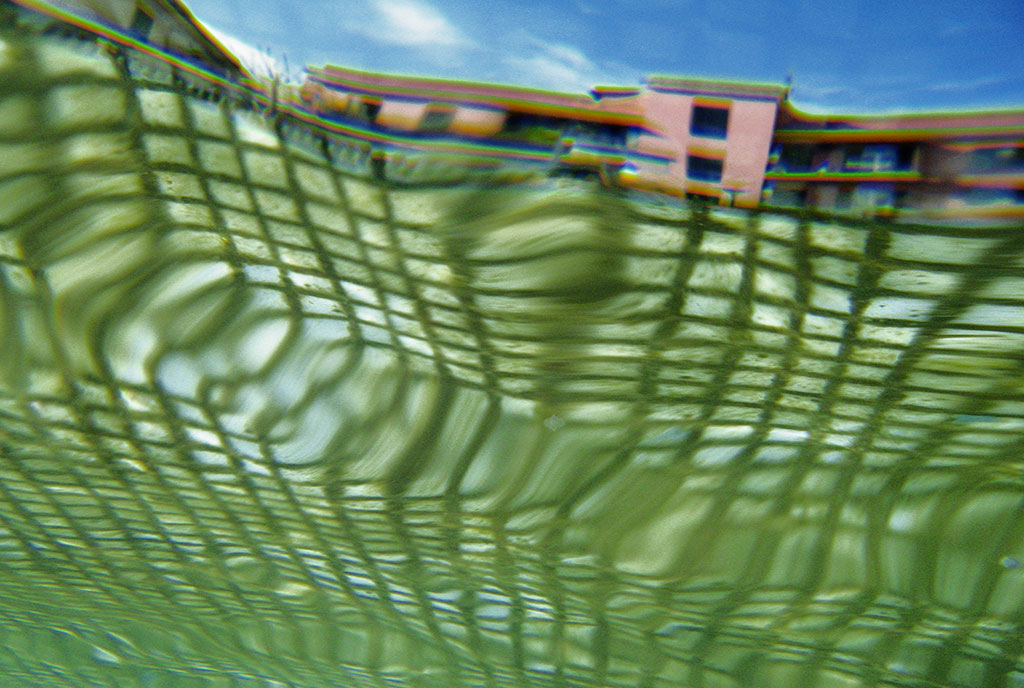
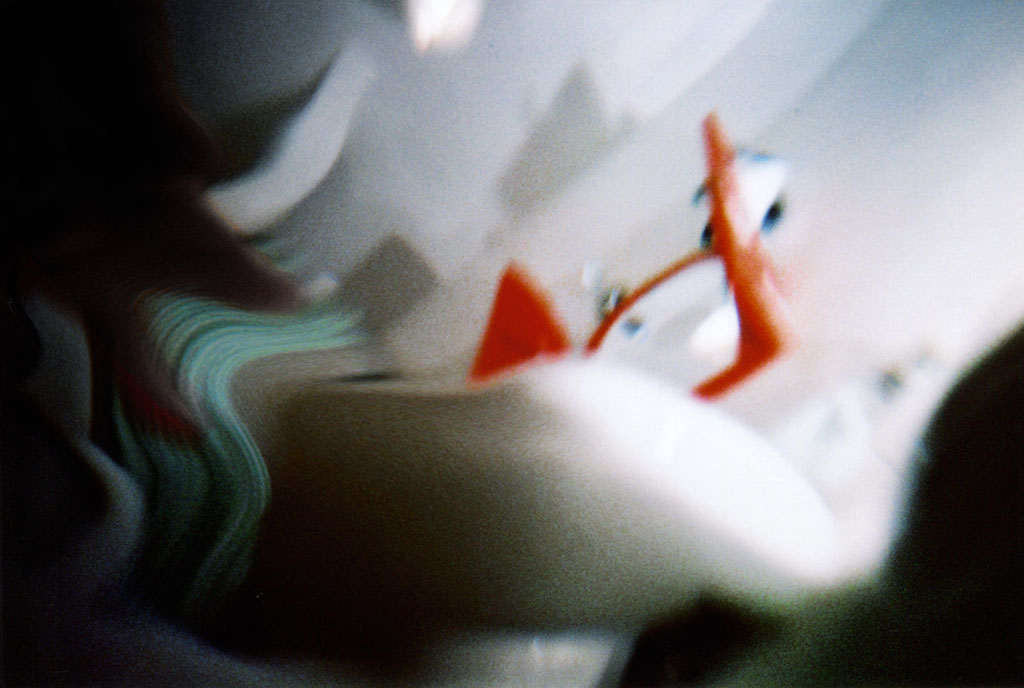
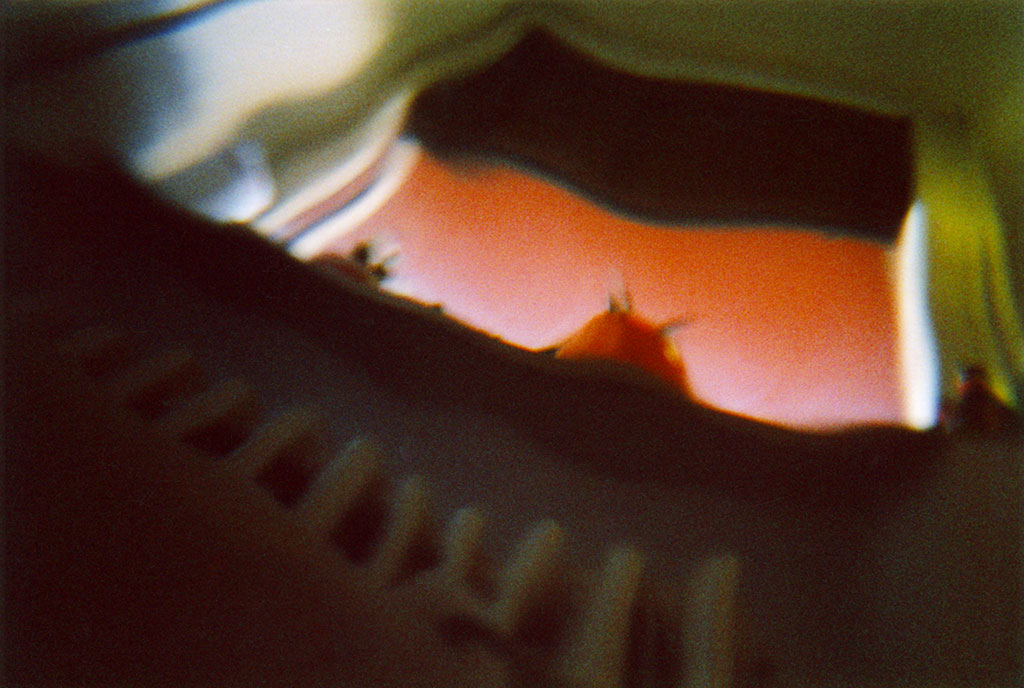
In apnea scatto le mie foto. Ma non sempre. Quando mi incuriosisce una pozzanghera, un’acquasantiera, una fontana, immergo solo la mano con la macchina fotografica. Negli anni ho usato diversi tipi di macchine: le prime erano analogiche, fuoco fisso e scafandro; ora ne ho una digitale di piccole dimensioni, forse la prossima sarà uno smartphone. Punto l’otturatore verso l’alto e scatto. In queste foto non c’è alcuna alterazione o post-produzione.

Ho iniziato a sperimentare in una piscina a Francavilla al Mare: ci andavo da piccola e ho continuato ad andarci per tanti anni. Pur essendo spazi pubblici, le piscine sono luoghi estremamente intimi che mi hanno sempre affascinato. Nel tragitto piscina-casa costeggiavo il mare. Sul pavimento di casa sempre un po’ di sabbia così sulle pareti delle mie narici la salsedine che, non so bene come e perché, a volte si scioglie; il suo odore, risale ancora.
Il mio interesse si divide in due direzioni diverse. Da un lato esploro la perdita di controllo e le immagini “ libere” che ne derivano. L’obiettivo è non guardare dentro l’obiettivo. In ogni instante perdo il controllo sulle istantanee. Il risultato va ben oltre la mia immaginazione e quello che mentalmente potrei creare, inoltre, finché non le vedo non so mai esattamente cosa ne verrà fuori. In alcuni scatti il contesto è più riconoscibile mentre in altri è completamente astratto. I fattori sono multipli e variabili. Mi piace pensare di fermare in 1/125 di secondo un’immagine nel flusso vitale del movimento dove le linee rette si frammentano, tremano, ondeggiano, dove la luce si scompone nello spettro mostrando colori di norma preclusi al nostro sguardo e trasferire questa immagine in una diversa forma di continuità. Da un altro lato, continuo a investigare sul concetto di reale e percettivo. Scattare foto in acqua toglie consistenza alle cose. Il reale si destruttura, si distorce, si mostra per quello che è: mutevole, variabile, impermanente, in continuo divenire. Questa modalità fotografica mi è più affine per esprimere bidimensionalmente il concetto di reale. Queste foto irreali sono il mio reale. Non insceno la mia visione immaginaria, mi limito a registrare un passaggio di stato in cui la natura svela la vera essenza, altrimenti da noi percettibile solo tramite stati alterati di coscienza.

Queste immagini hanno qualcosa di magico per me.

I shoot my photos without breathing. But it doesn’t happen all the time. If a puddle, a stoup or a fountain catches my eye I only dip my camera into the water. Over the years, I have used all kinds of cameras: I first started with analogic cameras, with their fixed focus and their underwater housing; now I have a digital camera, and it’s tiny, the next one might very well be a smartphone. I point the shutter up in the air and I click. There is no alteration or post-production in these photos.

I first began to experiment in a swimming pool in Francavilla al Mare: I used to go there when I was little and I kept going there for many years. Though public spaces, swimming pools are sites of intimacy and I’ve been always drawn to them. The journey from my house to the swimming pool would take me along the sea side. On the floor at home, always a little sand and in my nostrils, a little salt. And it baffles me that every once in a while it dissolves and I can smell it again. My focus is two-fold. On the one side I explore the loss of control, and the “free” images that emerge as a result. My aim is not to look though the lens. Every time I can’t control my snapshots. The result is well beyond my imagination and anything that I create in my mind, and what’s more, before I see them, I can never anticipate what may come of it. In some shots, the surroundings can be more or less recognized in others, they are totally abstract. Many and ever-changing variables come into play. I like to think that I can freeze in 1/125 of a second an image in the vital flow of movement where straight lines break up in fragments, vibrate, and ripple; where the light is disassembled into the spectrum revealing colors we are unable to see under normal circumstances and hence transpose the image to a different form of continuity. At the same time I continue to investigate what constitute the real and the perceivable. Shooting pictures in the water dissolves the solidity of things . The real looses its structure, is distorted, and is revealed for what it truly is: ever-changing, ever-shifting, impermanent, in constant flux. I find such photographic practice appealing for it allows me to express in bi-dimensional form the concept of the real. These unreal photos constitute my reality. I do not stage my imaginary vision, I just record the transitional moment whereby nature reveals its true essence, which we can usually only perceive through altered state of consciousness.

To me, these images are somewhat magic.


testo

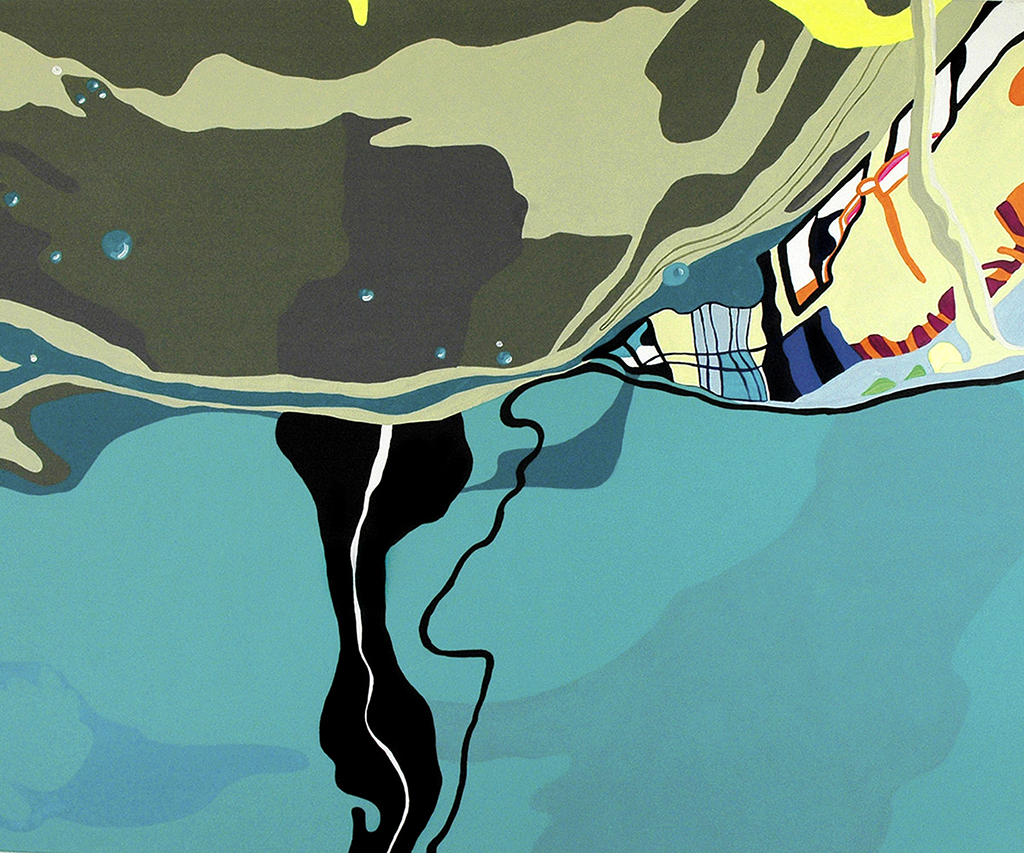
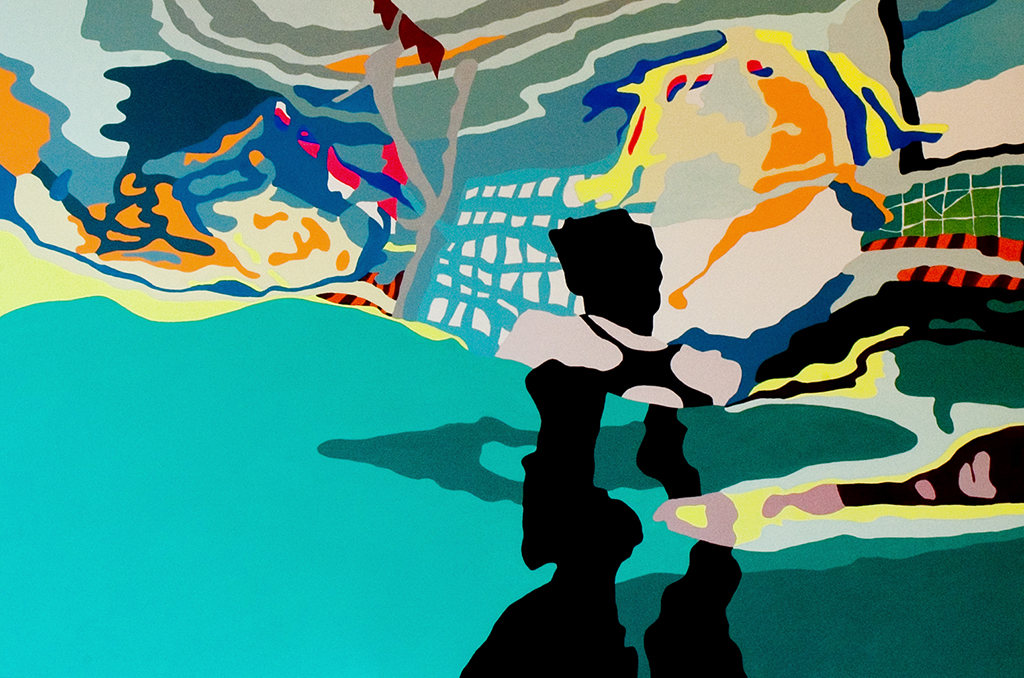
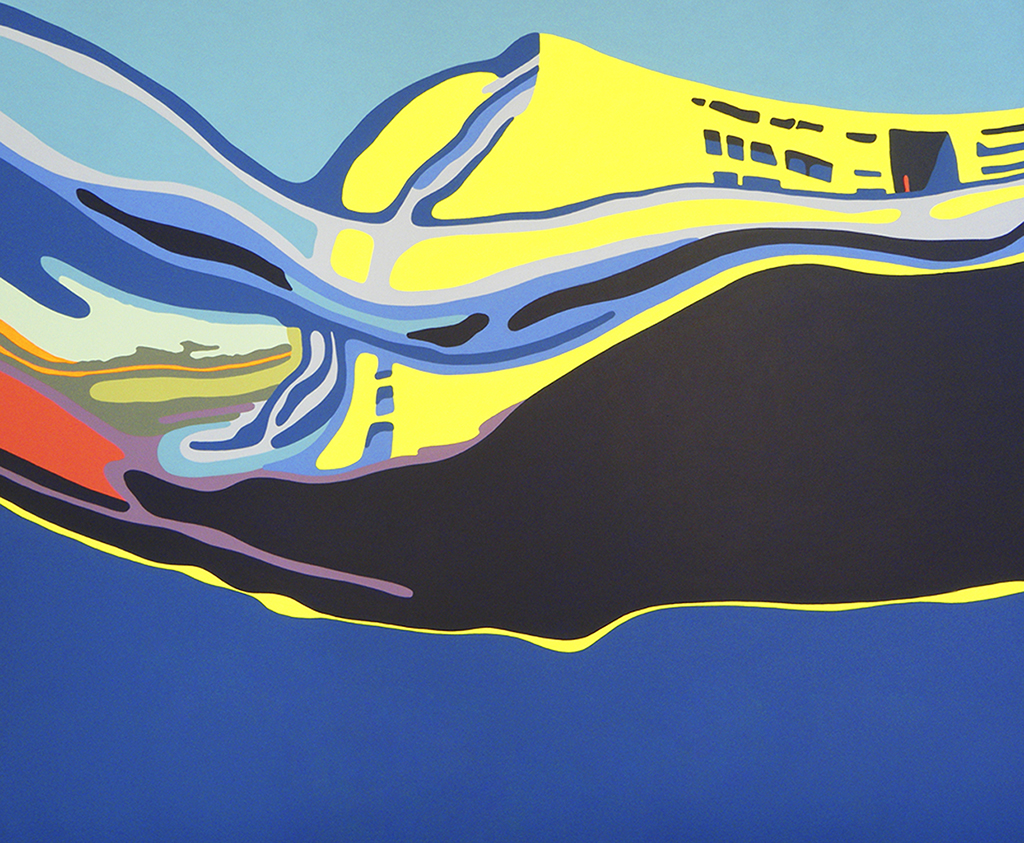
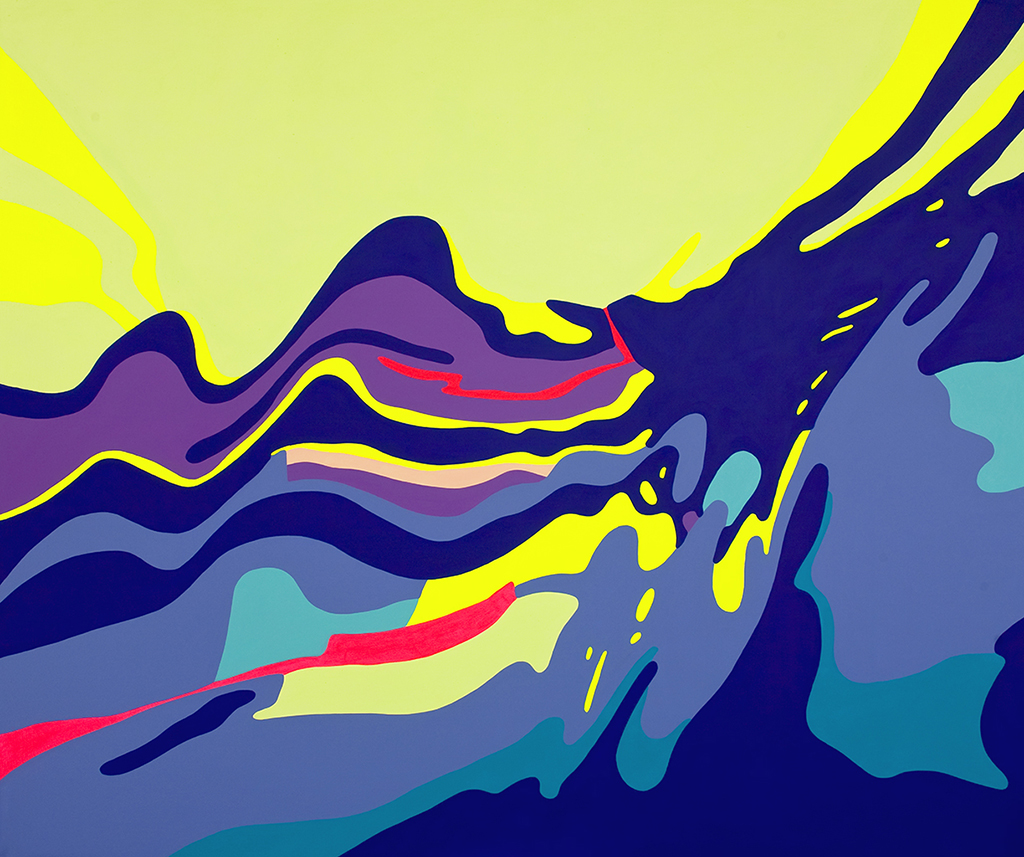
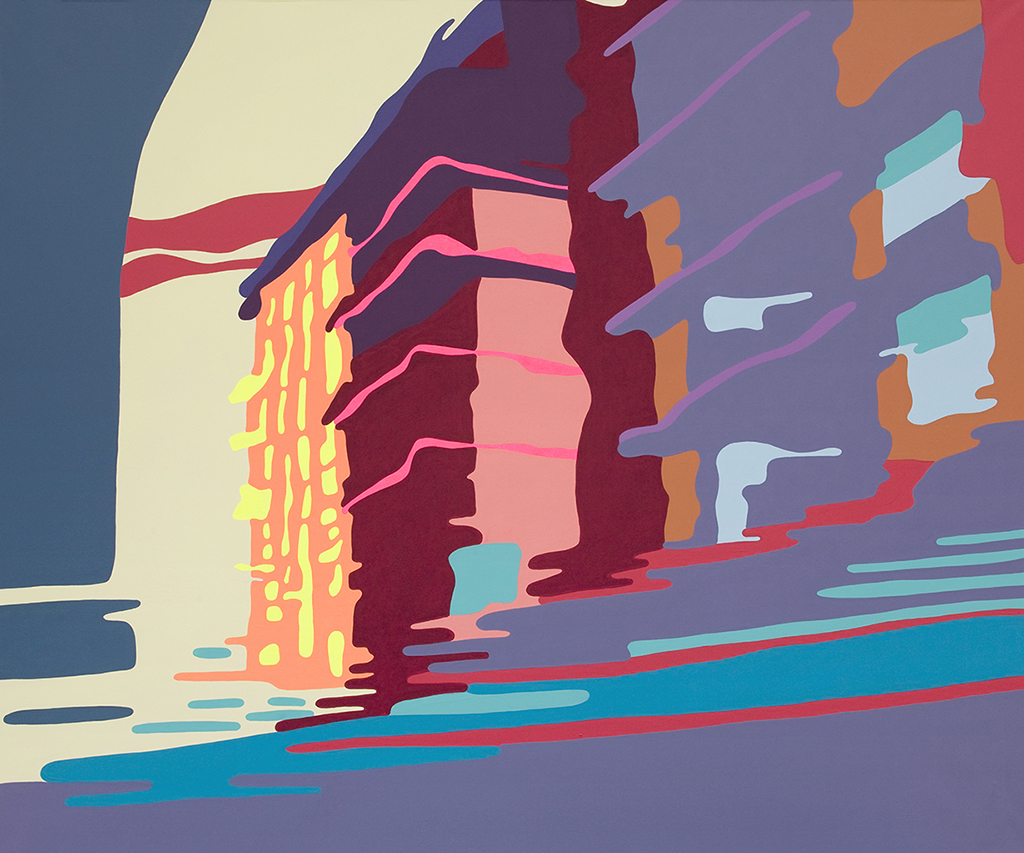
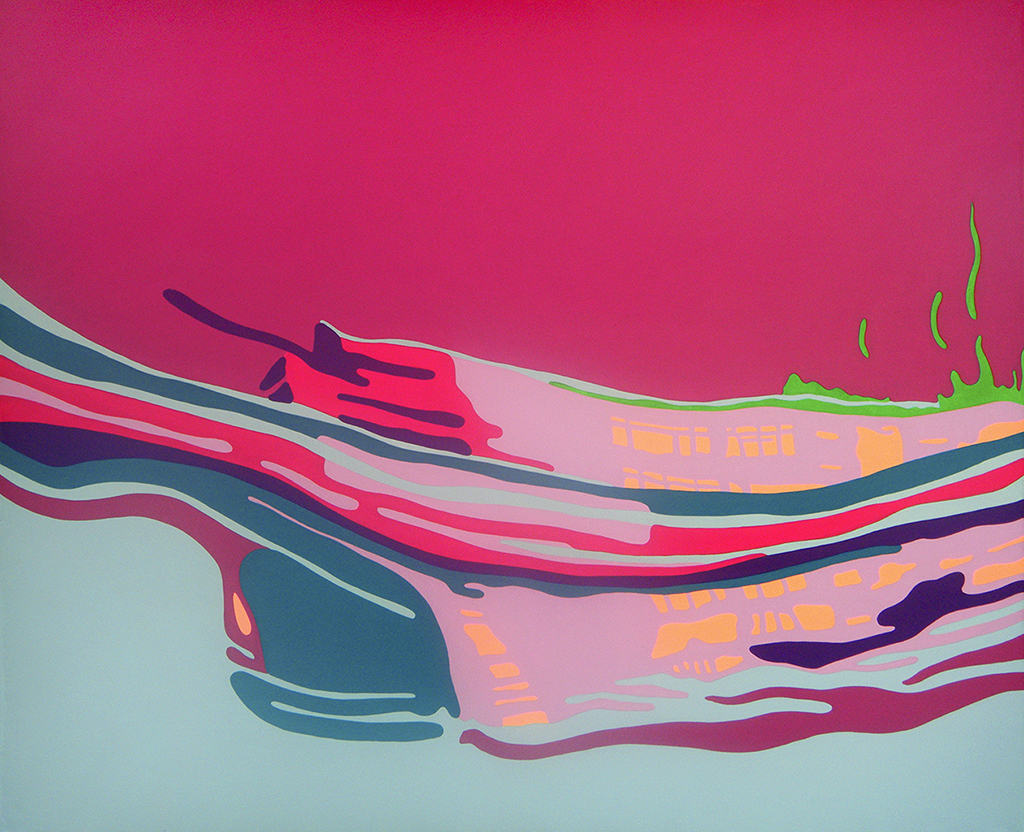
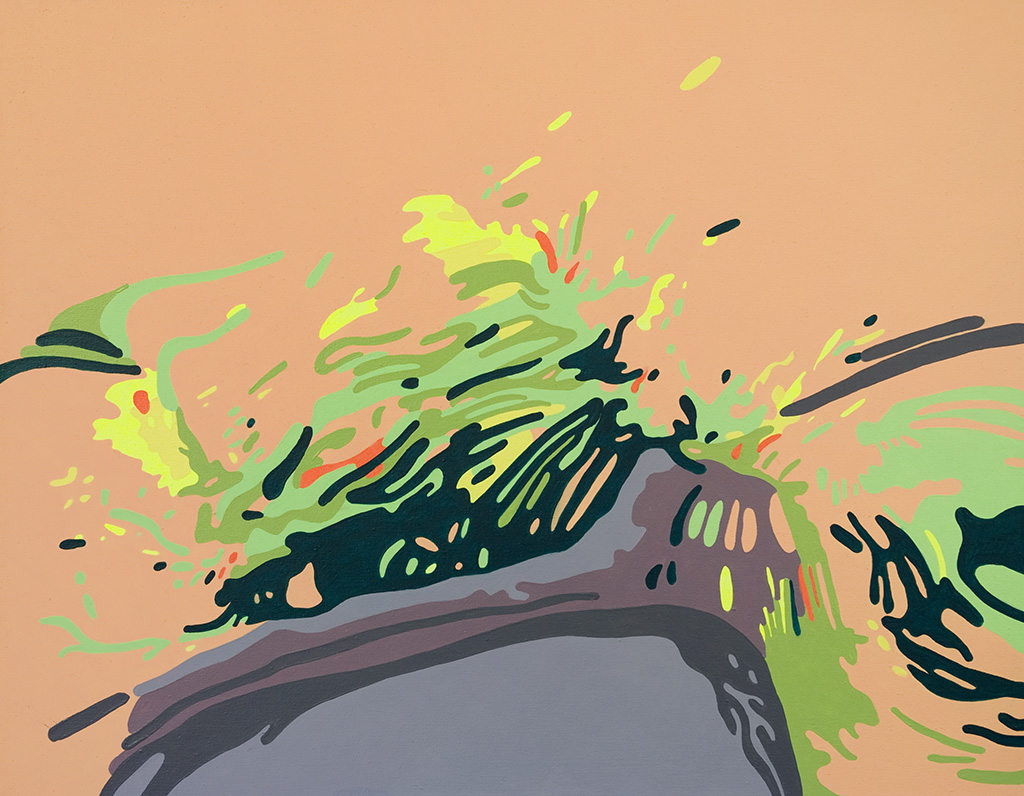
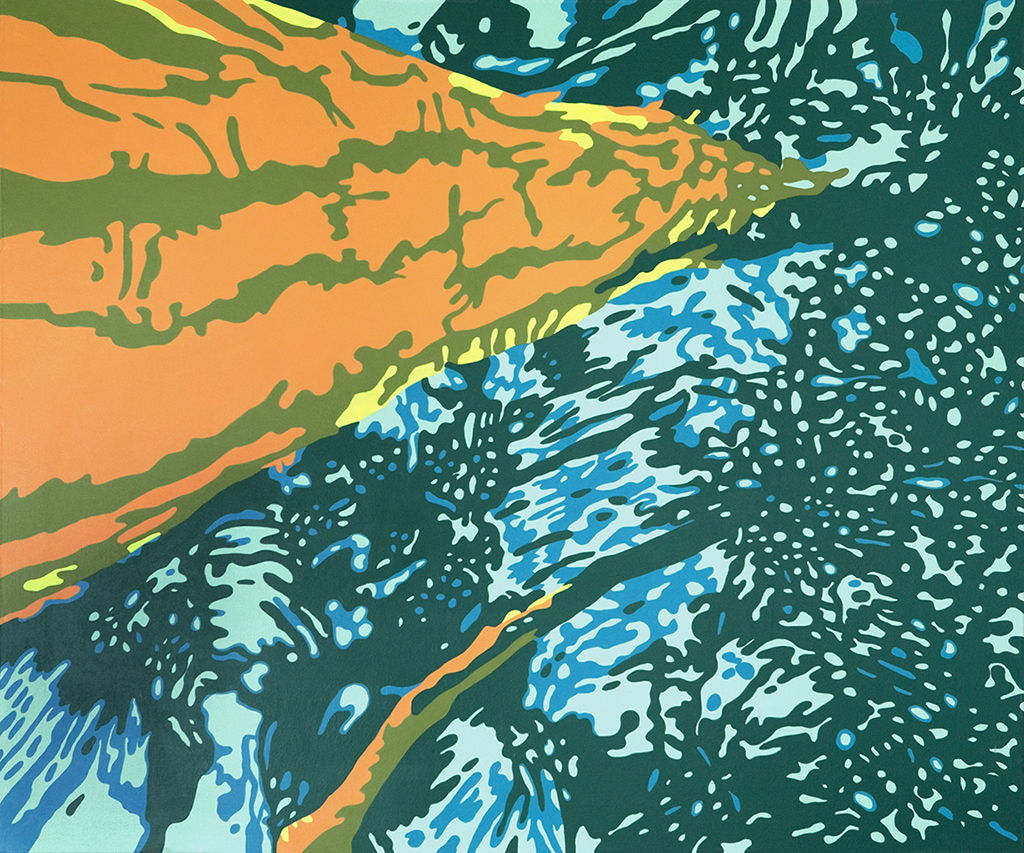
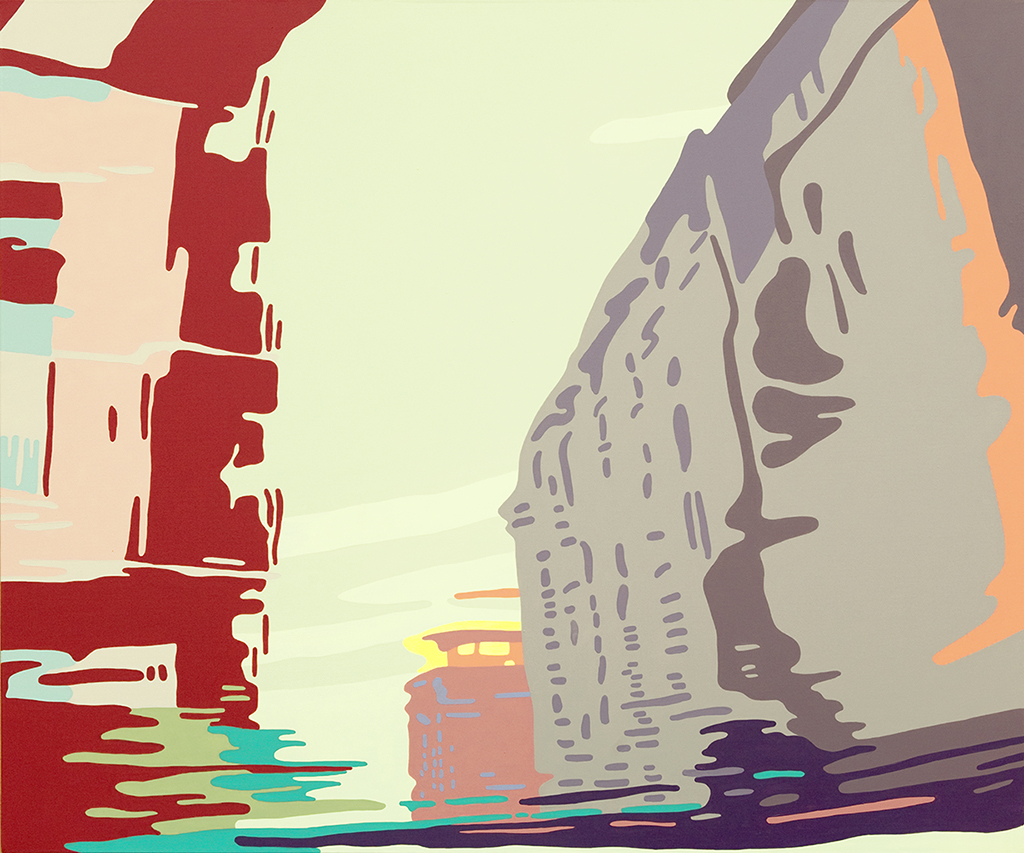
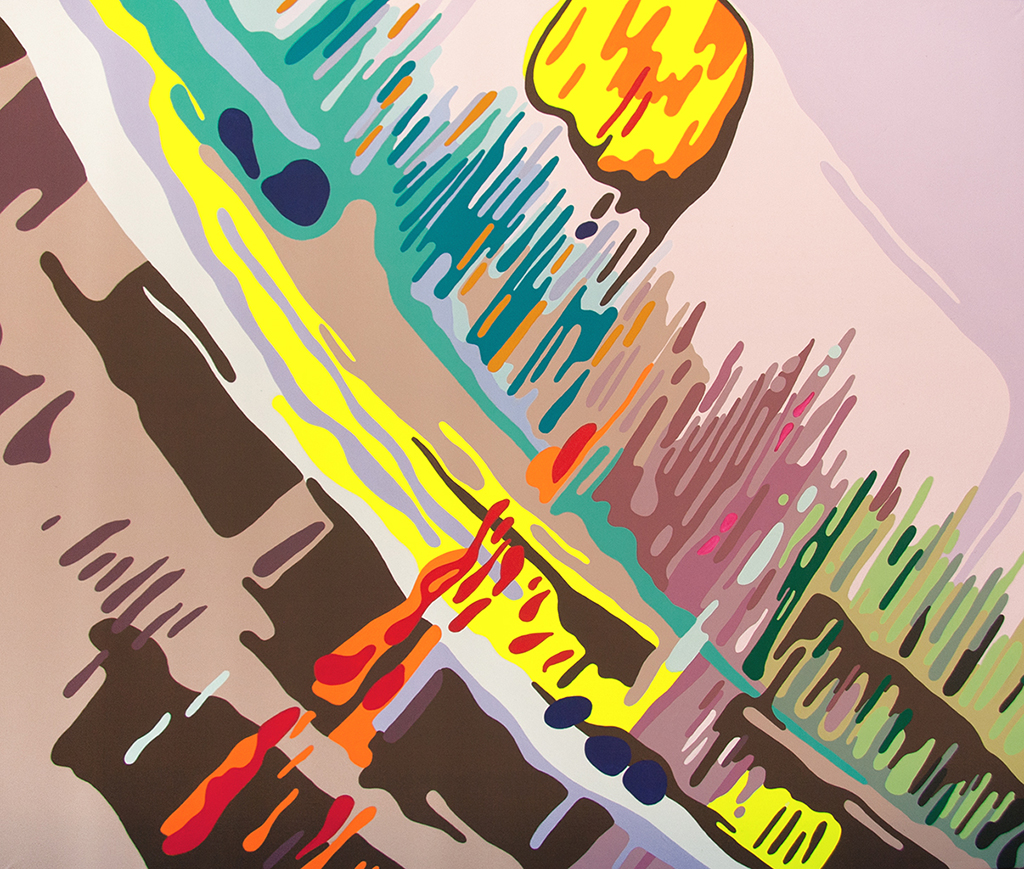
Le mie tele non sono tenui, né dimesse.
Sono arditi e audaci accostamenti di colore.
Delle allucinazioni. Dei bagni cromatici.
Sono aperte e libere interpretazioni del mio reale.
Possono facilmente apparire astratte ma sono spudoratamente tratte dalla realtà.

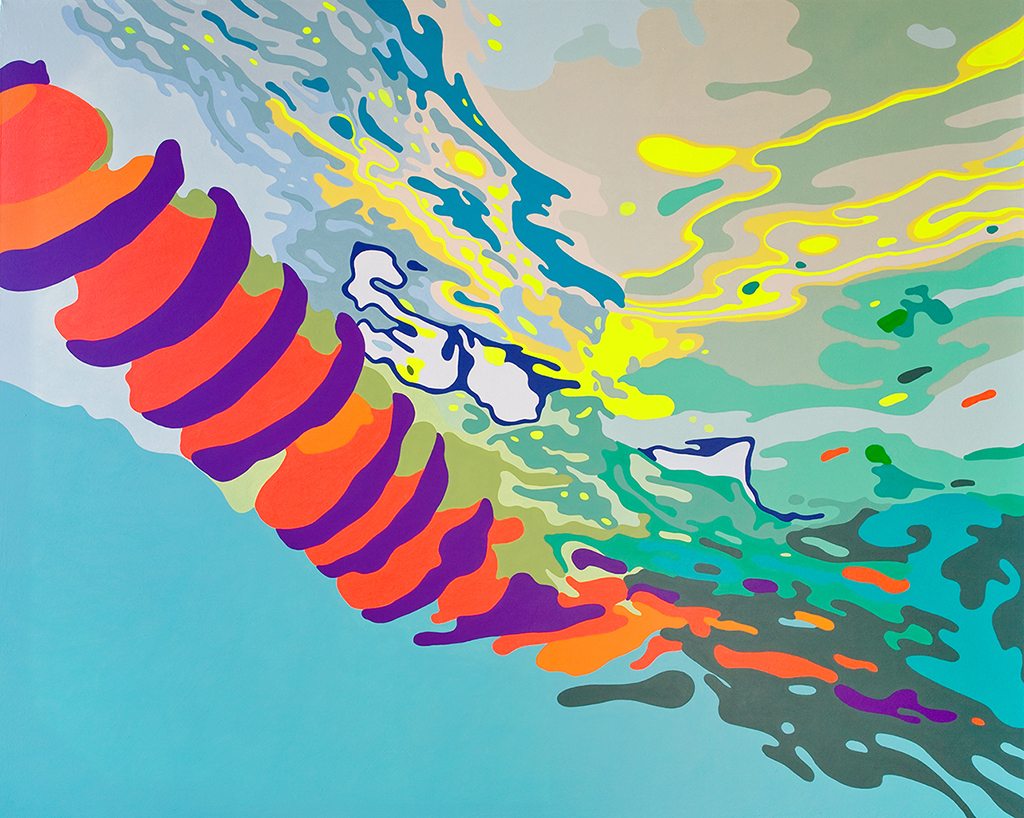
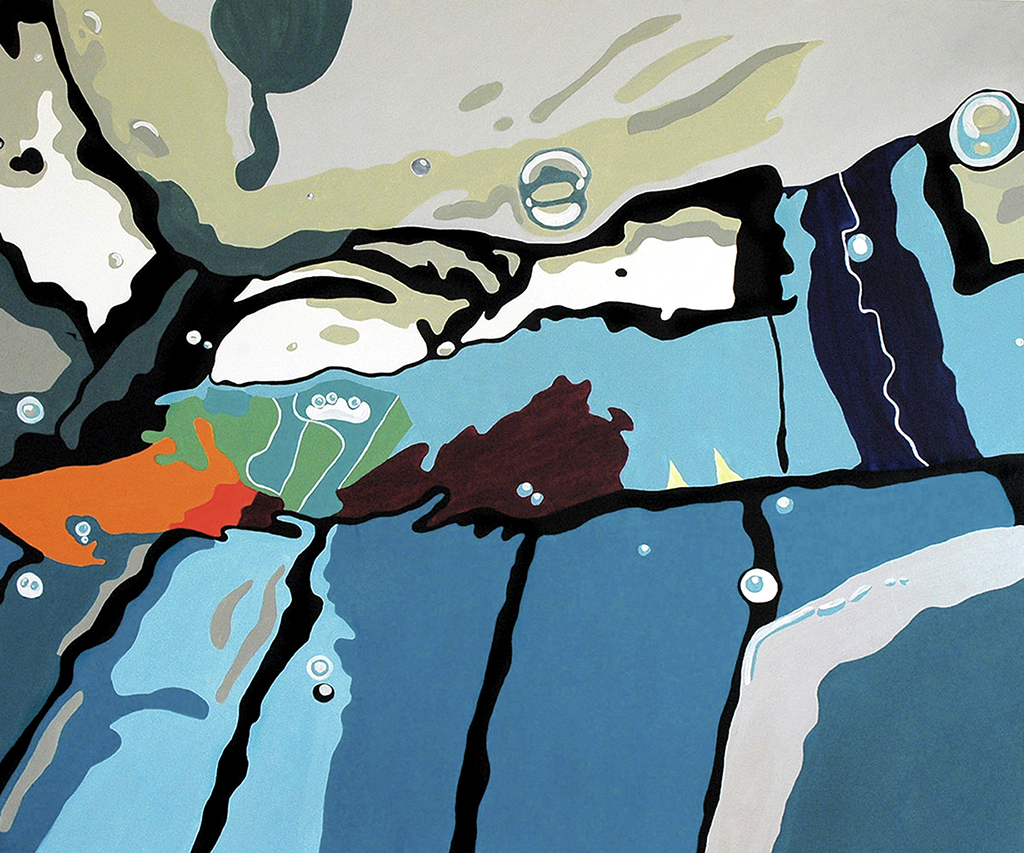
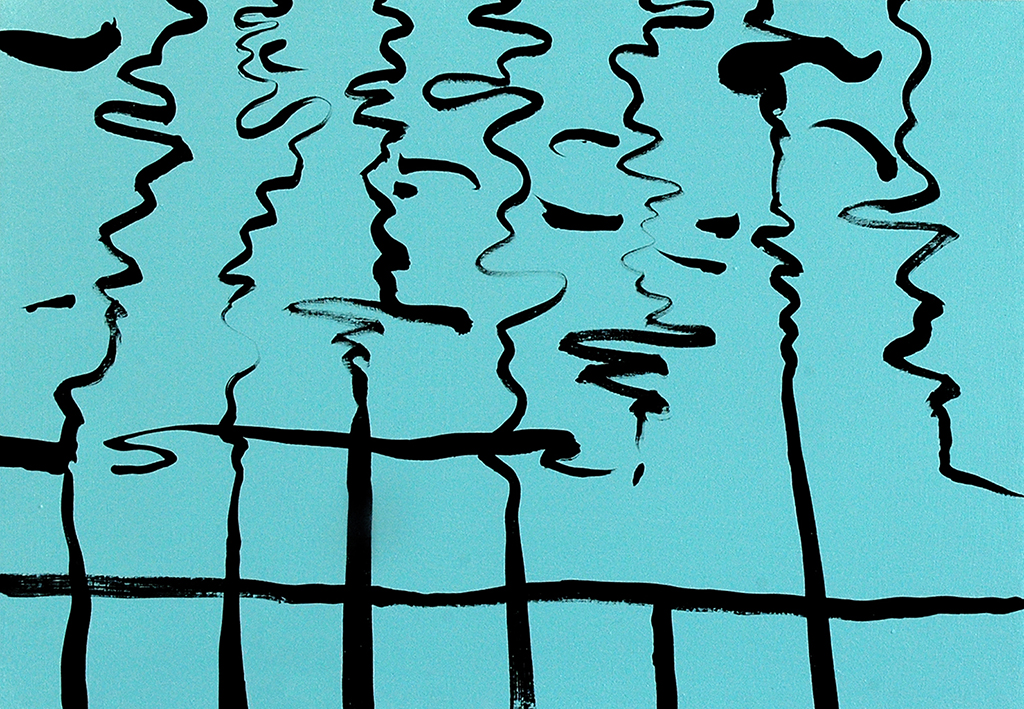
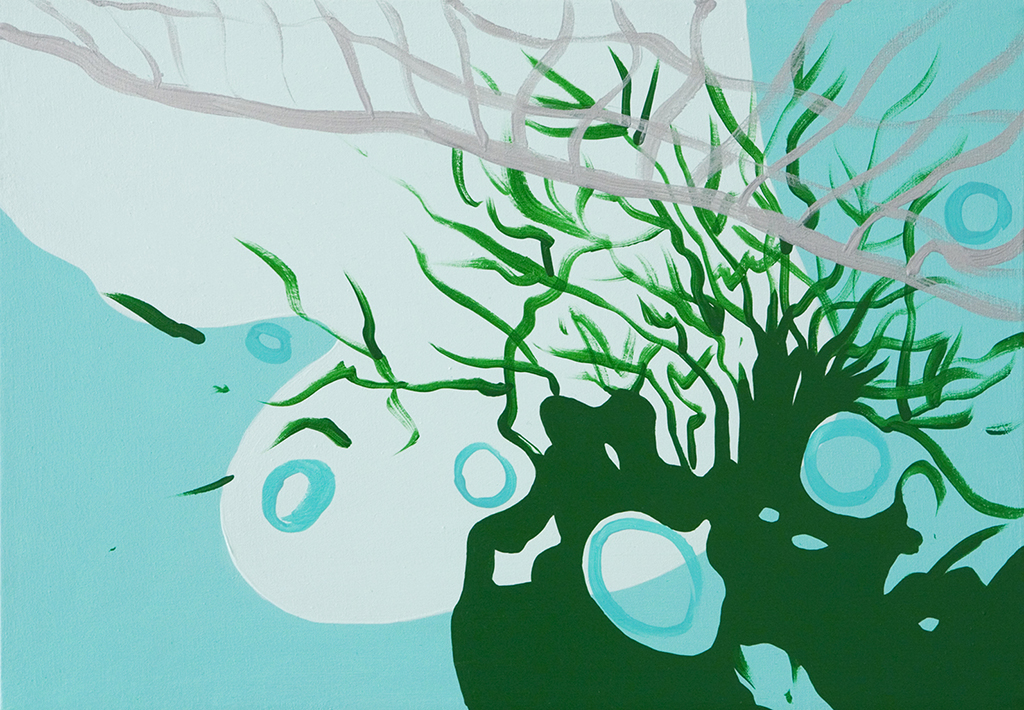
Traccia visuale per le mie tele sono le foto che scatto sott’acqua, ma i segni che vi sono impressi perdono l’impronta originaria. Il disegno, finito, allontana la tela dall’immagine che lo ha suggerito. Unico legame indissolubile il numero del negativo o del file dell’istantanea che riporto nel titolo. In una stessa tela convivono anche più di quaranta colori che accostati uno dopo l’altro, costruiscono l’insieme. Il colore è rivoluzionario, emblematico e camaleontico. Nella sua apparente istantaneità e immediatezza la percezione di un fatto coloristico è un atto estremamente complesso, un’esperienza in se stessa valida. E’ un mezzo instabile e relativo, perché uno stesso colore produce molteplici possibilità percettive e non viene mai captato così com’è nella sua realtà fisica. Il colore non solo si manifesta in innumerevoli sfumature e gradazioni, ma è anche caratterizzato dalla forma, dalla dimensione, dalla ricorrenza e dalla posizione. E’ segno, o meglio forma, senso, idea, immagine, concetto stesso di colore. Usare tutti i colori è come usare il bianco e il nero, di cui in realtà mi avvalgo raramente. Prediligo i colori acrilici, spesso fluorescenti, con i quali creo campiture omogenee e compatte. Stendere il colore in maniera compatta mi permette di evidenziare che la luce è irradiazione e vibrazione cromatica. Lo sfumato è troppo ambiguo. Il modo in cui dispongo i colori è della massima importanza per la stabilità della composizione. Man mano che sulla tela aumentano i colori, aumentano le operazioni di equilibramento non basate su regole ma sulla pura percezione, coadiuvata dall’intuizione e dall’introspezione. In alcuni quadri l’equilibrio cromatico è raggiunto dolcemente, tramite passaggi calibrati; in altri in modo dilacerante: in altri ancora non è mai raggiunto, e il colore resta fluttuante, in movimento, scomposto, o smarrito, dimesso, accantonato, o come una presenza straziante, dolorosa.
Le mie tele sono un gioco cognitivo tra la sintesi additiva e sintesi sottrattiva.

My paintings are neither soft nor unpretentious.
They are bold and daring juxtapositions of color.
They are hallucinations. They are chromatic immersions.
They are free and open-ended interpretations of my world.
They may seem abstract, yet are shamelessly drawn from reality.

The visual trace of my paintings are the photos I shoot underwater, but the signs on the canvas have lost all resemblance with the original imprint.
Once it is finished, the drawing leads the painting away from the image that originated it.
The only connection that cannot be severed is the number of the negative or the name of the file of the snapshot that gives the title to painting itself.
On the same canvas there might be more than forty colors that when juxtaposed next to each other constitute a whole. Color is revolutionary, at once emblematic and chameleon-like.
Instantaneous and immediate though it may seem, the perception of color is an extremely complex act; an experience in and of itself.
It is unstable and relative because the same color generates a wide array of possible perceptions and it is never captured in its true physical reality.
Not only does color manifests itself in countless shades gradations, but it is also affected by its shape, dimension, recurrence and position.
It is a sign, or rather form, meaning, idea, image, concept.
Using all colors is like using black and white, which I seldom use.
I prefer acrylic, often fluorescent, colors with which I create compact and homogeneous backgrounds. This allows me to underscore the fact that light is radiation and chromatic vibration. Sfumato is too ambiguous.
How I arrange the colors is of vital importance for the stability of the whole composition. As the colors on the canvas increase, so do the balancing operations that are not based on rules but on pure perception facilitated by intuition and introspection.
In some paintings the chromatic equilibrium is accomplished softly, by means of careful transitions, in others it is more abrupt, and in others it simply never reached, and the color remains in flux, unstable, fragmented, or unfocused, unpretentious, set aside almost as a harrowing, painful presence.

My paintings are a cognitive game between incremental synthesis and decremental synthesis.